
You made a great video. You hit publish. Then… nothing happened.
Sound familiar? Most creators face this problem at some point. The video is good, but nobody finds it. That’s usually not a content problem. It’s a YouTube SEO problem.
YouTube SEO is the process of optimizing your videos so they show up in search results and get recommended to the right viewers. It’s not about tricking the algorithm. It’s about helping YouTube understand what your video is about, then matching it with people who actually want to watch it.
This guide breaks down exactly what works right now. No fluff, no outdated tricks. Just practical steps you can apply today, whether you’re starting your first channel or trying to grow one that’s already stuck.
1. Why YouTube SEO Matters More Than Ever
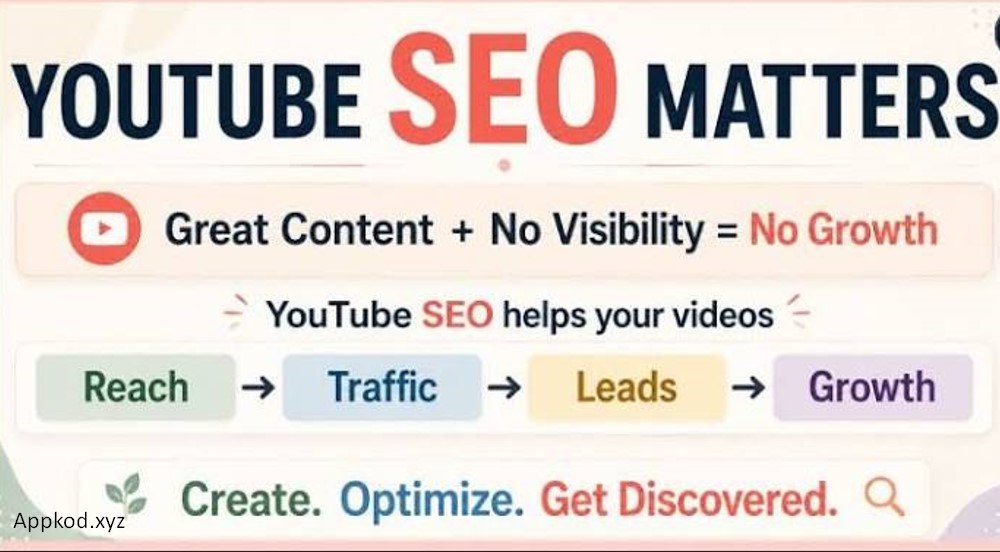
YouTube is the second-largest search engine in the world, right behind Google. Every minute, creators upload hundreds of hours of new video content. That means competition is fierce, even in small niches.
Here’s the part many creators miss: YouTube’s algorithm isn’t your enemy. It’s a matching system. Its main goal is keeping viewers on the platform longer, so it rewards videos that people actually watch, enjoy, and engage with.
When you understand this, YouTube SEO stops feeling like a guessing game. It becomes a checklist of signals you can control:
- What your video is about (keywords, metadata)
- How good it looks before someone clicks (thumbnail, title)
- How well it performs after they click (watch time, retention, engagement)
Get these three things right, and the algorithm starts working for you instead of against you.
2. Start With Real Keyword Research

Guessing keywords is one of the fastest ways to waste a good video. Before you even film, find out what your audience is actually typing into the search bar.
Where to find YouTube keyword ideas:
- YouTube’s search bar autocomplete – Type a broad term and see what suggestions appear. These come directly from real searches.
- YouTube Analytics – Check the “Search terms” report under Reach to see what already brings viewers to your channel.
- Google Trends – Filter by YouTube search to spot rising topics before they peak.
- Competitor videos – Look at what ranks for topics similar to yours, and study their titles and tags.
- Dedicated tools – Platforms like TubeBuddy, VidIQ, and Ahrefs offer search volume estimates and keyword difficulty scores specifically for YouTube.
Once you have a list, prioritize keywords with decent search volume but manageable competition. A keyword with 10,000 monthly searches and low competition often performs better than a broad term with a million searches and thousands of established channels ranking for it.
Pro tip: Long-tail keywords like “how to fix a leaky faucet without tools” convert better than broad ones like “faucet repair,” because they match specific viewer intent.
3. Write Titles That Get Clicks
Your title has two jobs: help YouTube categorize your video, and convince a human to click it. Both matter equally.
Best practices for YouTube titles:
- Keep your primary keyword near the beginning of the title
- Stay under 60 characters so it doesn’t get cut off in search results
- Use numbers, brackets, or power words to boost curiosity (“5 Mistakes,” “[Step-by-Step]”)
- Avoid clickbait that doesn’t match the actual content — it destroys retention and trust
- Make the value obvious immediately
Example comparison:
| Weak Title | Strong Title |
| My Cooking Video | 5 Easy Dinner Recipes Ready in 20 Minutes |
| Tech Review | iPhone 17 Review: Is It Worth the Upgrade? |
| Workout Tips | Full Body Workout for Beginners (No Equipment) |
Strong titles are specific, benefit-driven, and honest about what viewers will get.
4. Craft Descriptions That Work for You
Many creators either skip descriptions entirely or stuff them with keywords. Both approaches hurt your ranking potential.
A well-optimized description should include:
- Your primary keyword in the first two sentences (this is what shows in search previews)
- A natural summary of what the video covers
- Relevant secondary keywords woven in naturally, not forced
- Links to related videos, playlists, or your website
- Timestamps if you’re using chapters
- Social links and calls to action near the bottom
Aim for at least 200 words in your description. This gives YouTube’s algorithm enough context to understand and categorize your content accurately, which directly affects where it gets recommended.
5. Choose Tags the Smart Way
Tags carry less ranking weight than they used to, but they still help YouTube understand context, especially for misspellings or alternate phrasing of your main topic.
How to use tags effectively:
- Start with your exact primary keyword as the first tag
- Add 2–3 close variations of that keyword
- Include broader category tags (like your niche or industry)
- Add your channel name as a tag to build brand association
- Skip irrelevant, high-volume tags just to “game” the system — this can actually hurt relevance signals
Ten to fifteen focused tags outperform thirty random ones every time.
6. Design Thumbnails People Can’t Ignore

Your thumbnail is often the single biggest factor in click-through rate, and click-through rate directly influences how often YouTube shows your video.
Thumbnail best practices:
- Use high contrast colors that stand out in a crowded feed
- Keep text minimal — three to five words maximum
- Show faces with clear expressions when relevant; humans are drawn to human emotion
- Maintain visual consistency across your channel so viewers recognize your brand instantly
- Always preview how it looks at a small size, since most viewers browse on mobile
Test different thumbnail styles over time. Even small changes, like swapping a color or facial expression, can shift click-through rate significantly.
7. Master Watch Time and Retention
If there’s one metric YouTube cares about above all else, it’s watch time. The platform wants viewers to stay on YouTube, so it favors videos that keep people watching.
Ways to improve retention:
- Hook viewers in the first 15 seconds by stating exactly what they’ll learn or gain
- Cut unnecessary intros, slow starts, and filler talk
- Use pattern interrupts — b-roll, graphics, or camera angle changes — every 30–60 seconds
- Structure content with a clear beginning, middle, and payoff
- End with a reason to watch another video, not just a generic “like and subscribe”
Check your Audience Retention graph in YouTube Analytics regularly. Sharp drop-offs reveal exactly where viewers lose interest, so you can fix that pattern in future videos.
8. Use Chapters and Timestamps
Chapters make your video easier to navigate, and they also give YouTube more context about each section’s topic, which can help individual segments rank in search.
How to add chapters:
- Add timestamps in your description, starting with 0:00
- Label each section with a short, descriptive phrase
- Include at least three timestamps to trigger the chapter feature
Chapters also improve user experience for longer tutorials, since viewers can jump straight to the part they need, which paradoxically can boost overall watch time by reducing frustration.
9. Add Closed Captions and Subtitles
Captions aren’t just for accessibility, though that matters too. They give YouTube a full text transcript of your video, which strengthens keyword relevance signals significantly.
Captioning tips:
- Upload your own accurate transcript instead of relying solely on auto-generated captions
- Fix errors in auto-captions, especially for names, brands, or technical terms
- Translate captions into additional languages if your audience is global
Videos with accurate captions often see improved watch time too, since many viewers watch with sound off, particularly on mobile devices.
10. Build Playlists Strategically
Playlists group related videos together, encouraging viewers to binge-watch your content. This directly increases session watch time, a signal YouTube values highly.
Playlist optimization tips:
- Include your target keyword in the playlist title and description
- Order videos logically, not just by upload date
- Create playlists around specific topics or viewer goals, not vague themes
- Add new videos to relevant playlists immediately after publishing
A single strong playlist can generate consistent views for months by keeping viewers engaged across multiple videos in one sitting.
11. Encourage Engagement Naturally
Likes, comments, and shares tell YouTube that real people find your content valuable. But engagement should feel earned, not begged for.
Effective ways to boost engagement:
- Ask a specific question related to the video content, not a generic “comment below”
- Reply to comments within the first few hours after publishing
- Pin a comment that sparks discussion
- Create content that naturally invites opinions, like comparisons or debates
- Use community posts to keep your audience engaged between uploads
Genuine engagement compounds over time. Viewers who comment once are more likely to return and comment again.
12. Optimize Your Channel, Not Just Videos
Individual videos matter, but your entire channel sends signals too. A well-optimized channel helps YouTube understand your niche and recommend your content more confidently.
Channel-level optimization checklist:
- Write a keyword-rich channel description explaining who you help and how
- Organize your channel homepage with featured sections for new and returning visitors
- Use a consistent upload schedule so YouTube can predict and promote new content
- Create a channel trailer that quickly communicates your value proposition
- Fill out all “About” section details, including links and contact information
Channels with clear focus and consistent branding tend to outperform scattered, unfocused ones, even with similar video quality.
13. Promote Videos Outside YouTube
External traffic in the first few hours after publishing can give your video an early boost, signaling to YouTube that people are actively seeking it out.
Promotion strategies that work:
- Share on relevant social media platforms with a compelling hook
- Embed videos in related blog posts or articles
- Send to your email list if you have one
- Participate in niche communities or forums where sharing is welcomed, not spammy
- Collaborate with other creators for cross-promotion
External traffic won’t replace strong on-platform SEO, but it accelerates early momentum, which YouTube’s algorithm often rewards with additional organic reach.
14. Common YouTube SEO Mistakes to Avoid
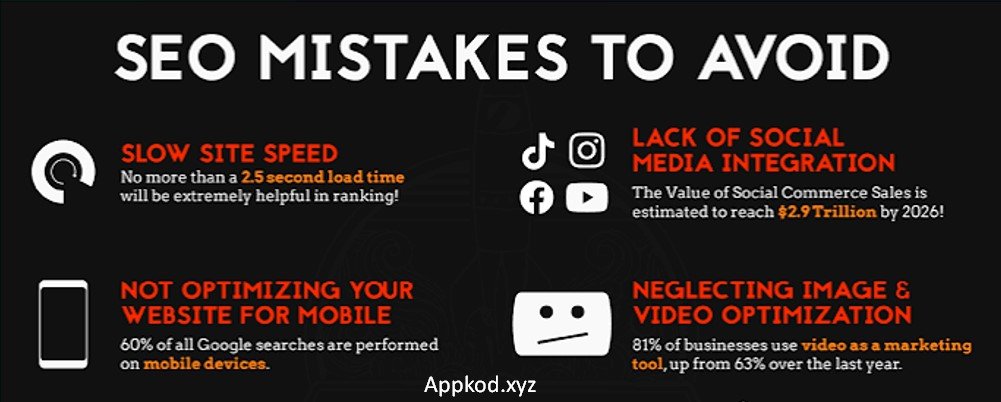
Even experienced creators fall into these traps:
- Keyword stuffing in titles, descriptions, or tags, which can trigger spam filters
- Misleading thumbnails or titles that hurt retention once viewers realize the mismatch
- Ignoring analytics instead of using data to guide future content decisions
- Inconsistent uploading, which makes it harder for YouTube to build audience habits
- Skipping captions, missing an easy relevance boost
- Copying competitor titles exactly, rather than finding a unique angle
Avoiding these mistakes often matters more than chasing the latest algorithm hack.
15. Pros and Cons of Focusing on YouTube SEO
Pros:
- Increases long-term organic discoverability without paid ads
- Builds compounding value — older optimized videos keep generating views
- Improves overall channel authority and search rankings
- Attracts a more targeted, relevant audience
- Works alongside other growth strategies rather than replacing them
Cons:
- Results take time; SEO isn’t an overnight strategy
- Requires ongoing research as trends and algorithms shift
- Can feel technical for creators who prefer to focus purely on content
- Over-optimization risks making content feel less authentic
Despite the cons, most successful channels treat SEO as a foundational habit rather than a one-time task.
Frequently Asked Questions
1. How long does YouTube SEO take to show results?
Most creators notice gradual improvements within four to eight weeks, though full impact often takes a few months as YouTube gathers more performance data.
2. Do tags still matter for YouTube SEO in 2026?
Tags carry less weight than titles, descriptions, and watch time, but they still help with context and misspellings, so it’s worth including a focused set.
3. What’s more important: keywords or watch time?
Both matter, but watch time typically has a stronger long-term impact on rankings. Keywords help you get discovered; watch time keeps you recommended.
4. Should I optimize old videos or focus on new uploads?
Do both. Updating titles, descriptions, and thumbnails on underperforming older videos can revive their traffic, while new uploads build fresh momentum.
5. Does video length affect YouTube SEO?
Length itself isn’t a ranking factor, but retention is. A well-paced 15-minute video often outperforms a padded 25-minute one with lower retention.
6. How many keywords should I target per video?
Focus on one primary keyword and two to three closely related secondary keywords. Trying to target too many dilutes relevance signals.
7. Can I rank without paid tools like TubeBuddy or VidIQ?
Yes. YouTube’s own search suggestions, autocomplete, and Analytics reports provide solid keyword and performance data at no cost.
8. Do views from ads count toward SEO ranking?
Paid views can boost visibility short-term, but organic engagement and retention matter more for sustained ranking improvements.
9. How important are thumbnails compared to titles?
They work together. A strong thumbnail earns the click; a strong title earns the search impression. Neglecting either weakens overall performance.
10. Is it worth translating videos or captions for SEO?
Yes, especially for channels with global appeal. Translated captions can open your content to entirely new audiences and search markets.
Conclusion
YouTube SEO isn’t about outsmarting an algorithm. It’s about creating videos that genuinely serve viewers, then packaging them so the right people can find them.
Start with solid keyword research. Write titles and thumbnails that earn clicks honestly. Focus relentlessly on retention, because that’s what YouTube rewards most. Layer in captions, chapters, and playlists to strengthen every signal you’re already sending.
None of this requires overnight perfection. Pick two or three tips from this guide, apply them to your next video, and build from there. Small, consistent improvements compound into real growth over time.